
Houston runs on energy terminals, medical districts, ship channel logistics and stadium crowds — and a large share of those posts are written for a commissioned officer, not an unarmed guard. Level 3 is the training that gets you there.
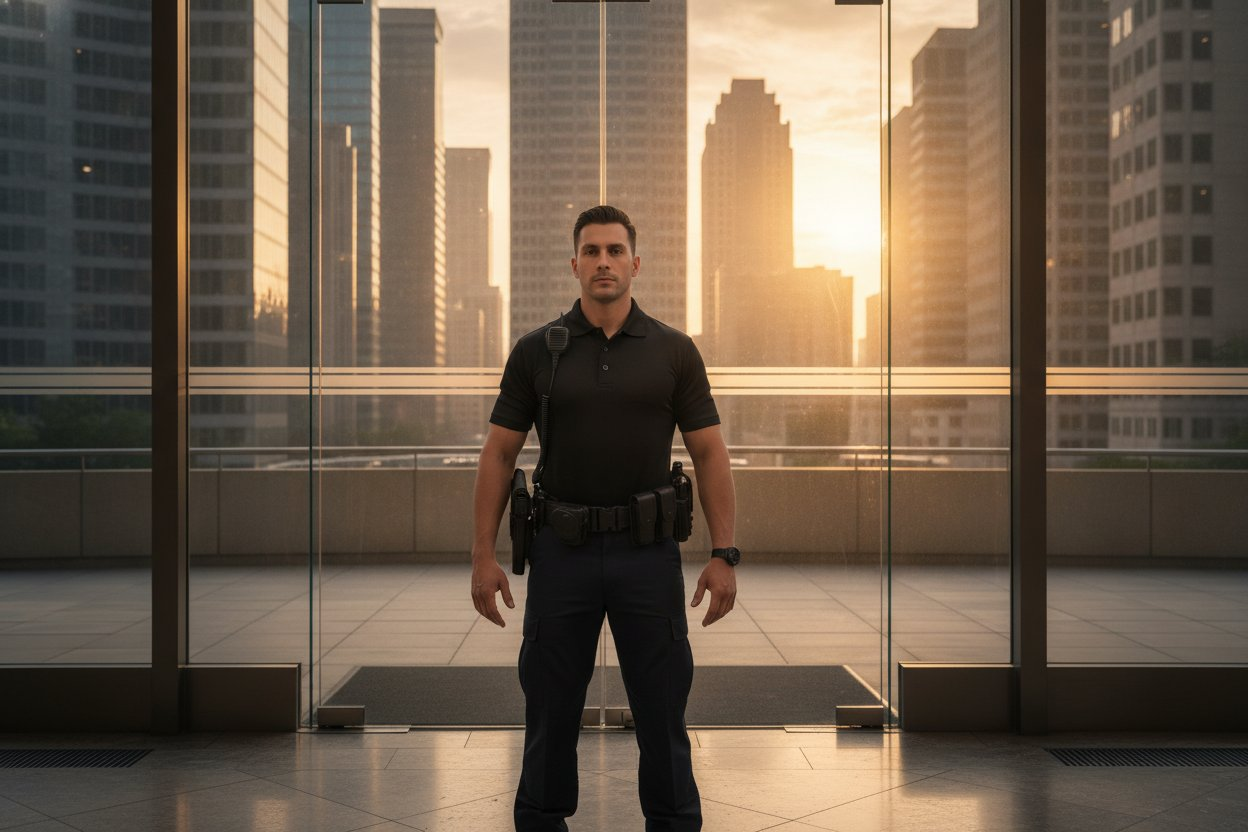
What Level 3 Really Means in Texas
Under Texas Administrative Code §35.141(a)(2), the Level 3 training course is required for anyone applying for a security officer commission — the credential that allows a security officer to carry a firearm on duty — and for anyone working as a personal protection officer. It is a separate, higher course than Level 2, and it is not the same thing as Level 4, which is the personal protection officer course that sits on top of it.
One detail that catches people out: the Level 3 course material is prepared by and obtained from the Texas Department of Public Safety, and it may only be delivered by a DPS-approved school using a DPS-approved instructor. With Level 2, a licensed company can have its own designated person deliver the training in-house. Level 3 does not work that way. If a company offers to "just run you through Level 3" internally, that certificate will not hold up.
Who in Houston Actually Needs It
- Officers moving from an unarmed post to an armed post — energy corridor campuses, downtown high-rises, refinery and terminal gates
- Hospital and medical center security staff in the Texas Medical Center area whose employers require a commission
- Retail, distribution and logistics sites along the Beltway that have upgraded to armed coverage
- Anyone planning to work as a personal protection officer, since Level 3 comes before Level 4
The Course Comes in Two Parts
Part 1 — Online, on Your Schedule
ETXSTA delivers Part 1 100% online. This is the classroom portion: the legal framework an armed officer works inside, use of force, the duties and limits that come with a commission, and the written material DPS requires. You can work through it after a shift or on a day off, which matters when you are already holding down a post somewhere in Harris County.
Part 2 — In Person
Part 2 has to be done in person, because it covers defensive tactics, firearms handling, and a firearms proficiency exam. Those are hands-on by nature. Note that the price of the online course covers the online training only — the in-person firearms qualification is scheduled separately and is not included.
About the Range Portion
If you have taken the Texas License to Carry proficiency test, the Level 3 range exam will feel familiar — it is close to identical in format. The difference commissioned officers should know about is that the rules provide a shotgun course of fire as well, so a student has the option to qualify with a shotgun in addition to a handgun.
You Need a 75, Not a 70
People coming over from the LTC world often assume 70% is the bar. It is not. Under §35.144(c), the minimum passing grade on Level 3 and Level 4 school examinations is 75%. Plan for it, and use the online portion to actually study rather than to click through.
From Certificate to Commission
When you finish, you receive your certificate of completion (PSP 30). That certificate is not the commission by itself. Under §35.81(a), the application for a security officer commission requires copies of both your Level 2 and your Level 3 certificates, along with the other items DPS lists. Keep both documents somewhere you can find them — people lose the Level 2 certificate far more often than the Level 3.
Training With ETXSTA From Houston
East Texas Security Training Academy is a DPS-approved school. Because Part 1 is online, Houston students do not have to give up a day of work and a drive to sit in a classroom — you handle the classroom hours from home and then schedule the in-person qualification.
Leave a Reply