
A typical Fort Worth shift for a newly licensed officer: check in at a distribution yard off Alliance Gateway, walk the perimeter, log trailer seals, check credentials at the gate, write what you saw. No firearm, no chase, no drama on most nights — just steady, documented work. The license that makes that shift legal is Level 2.
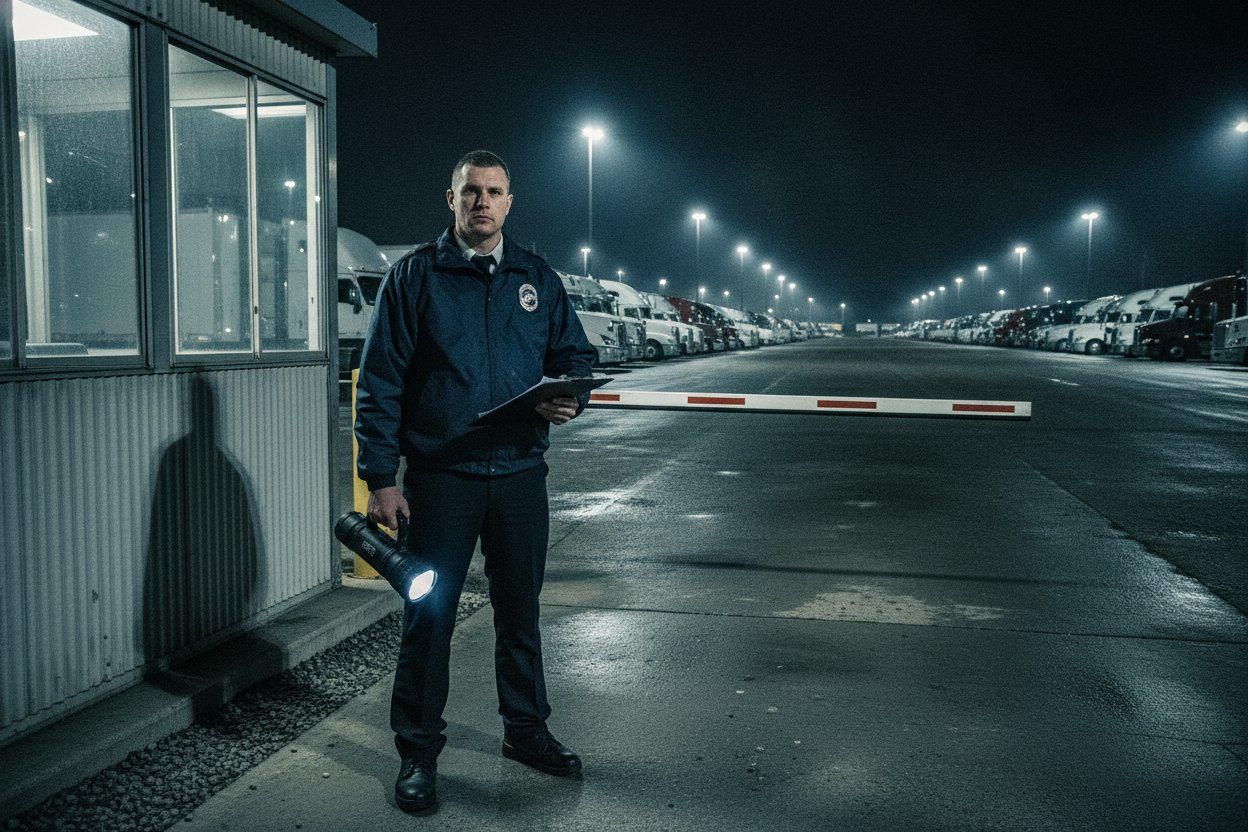
Where Fort Worth Officers Work
The north Fort Worth logistics corridor, hospital campuses, apartment communities, the Stockyards and downtown entertainment districts, school and municipal facilities — the demand for unarmed coverage in Tarrant County is steady and rarely seasonal. Nearly all of it is staffed by officers holding a non-commissioned license, which starts with Level 2 training.
The Rule Behind the Requirement
Under 37 TAC §35.141(a)(1), Level 2 has to be completed by anyone applying for a non-commissioned security officer license, and by anyone applying for a security officer commission. It is unarmed training — no range time, no firearms component — because its purpose is legal and procedural, not tactical.
Four Subjects, All of Them Useful
- Texas private security law — who is regulated, what a license permits, and what gets it pulled
- Professional responsibilities and ethics on post
- Emergency procedures for incidents, injuries, and evacuations
- Authority and its limits — detaining, reporting, and when to call it in instead
The Paperwork Your Employer Is Required to Keep
Texas puts real record-keeping obligations on licensed companies, and knowing them tells you whether a prospective employer is running a clean operation. Companies must keep an employee file covering each licensed officer — including documentation of any pre-employment background check and proof of training — and hold those records for two years after the last date of employment. A company that shrugs at your certificate is a company with a compliance problem.
What It Costs and How Long It Takes
ETXSTA’s Level 2 course is $29.99 and runs entirely online at your own pace through a DPS-approved school. Most students finish in a single sitting or two. The PSP 36 certificate of completion is available as soon as you pass, and from there it goes to the DPS Regulatory Services Division with your license application.
No drive to a classroom in Fort Worth, no waiting on the next class date, no taking a day off work to sit through it.
Leave a Reply